Episode Transcript
[00:00:01] It is Palm Sunday, 1990. Six years ago, Jesus entered into Jerusalem to begin the end of his ministry on earth.
[00:00:18] He had been teaching for several years, investing in close disciples, telling a lot of people things that they didn't want to hear. Some people things they needed to hear, everyone needed to hear, but some people what they wanted to hear.
[00:00:34] He had done most of this ministry outside of outside of Jerusalem, outside of the area where the religious leaders were, where it was much more political. He did most of his ministry out in the countryside, in areas that would have been less conspicuous to the people who were in charge.
[00:00:54] But when he came into Jerusalem, this was a mark.
[00:00:58] This was a statement that he was making for the most important people in the region. A statement saying, everything you've heard about me is true.
[00:01:06] I am the Messiah. And he entered into Jerusalem in a way that made that clear. John 12, verse 12 through 15 says news that Jesus was on the way to Jerusalem swept through the city.
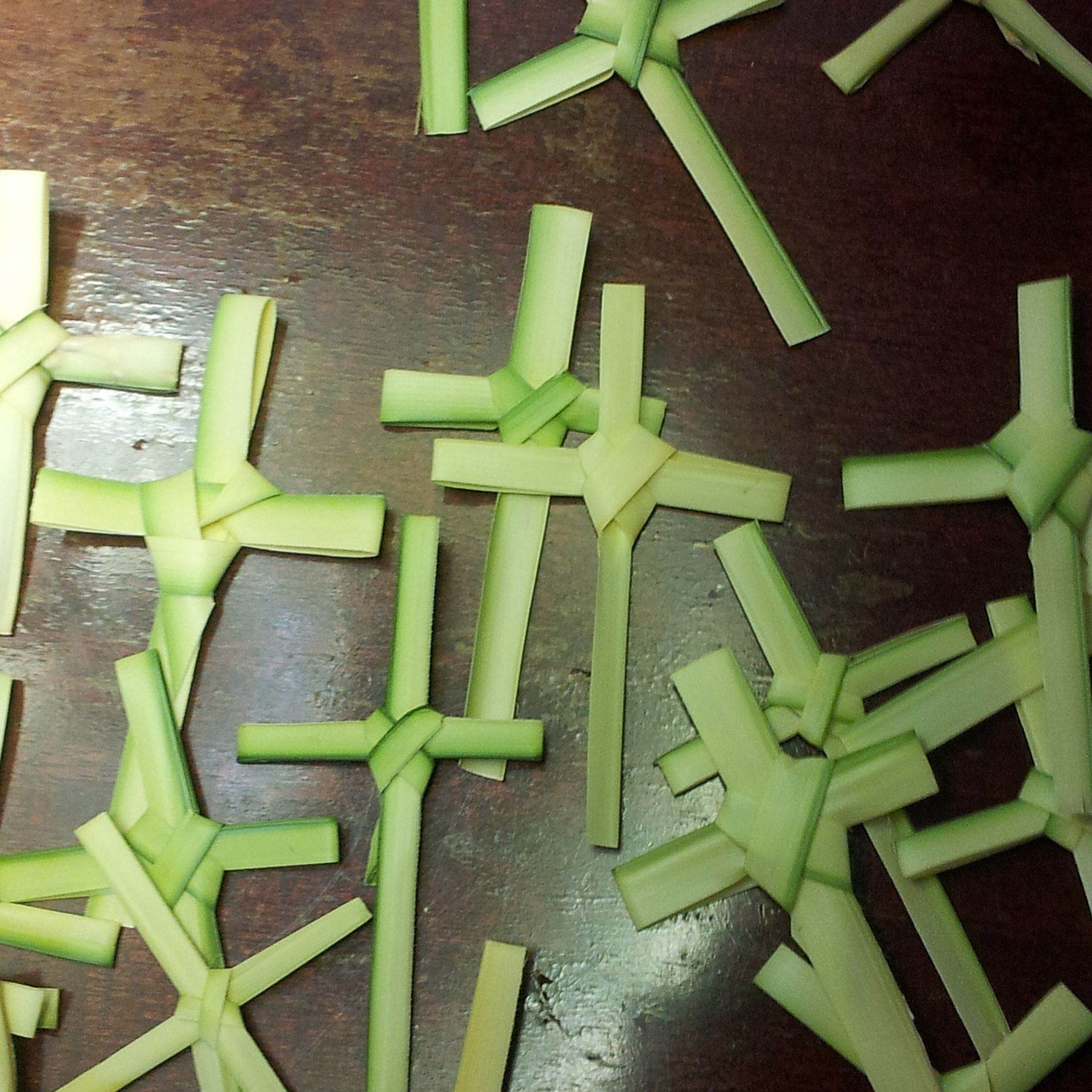
[00:01:18] A large crowd of Passover visitors took palm branches and went down the road to meet him. They shouted, praise God. Blessings on the one who comes in the name of the Lord. Hail to the King of Israel.
[00:01:34] They knew what was going on.
[00:01:37] Jesus found a young donkey and rode it in, fulfilling the prophecy that said, don't be afraid, people of Jerusalem, look, your king is coming riding on a donkey.
[00:01:47] They knew exactly who he was claiming to be. He was being very obvious about who he was.
[00:01:55] Later in John 12, starting with verse 20, John says that some Greeks who had come to Jerusalem for the Passover celebration paid a visit to Philip, who was from Bethsaida in Galilee. This is an interesting.
[00:02:10] It's always interesting to me the things that the Gospel writers decide to include. John says there's not enough paper in the world to include all the details that I could have put. Why did he put this detail in here? As Jesus is entering into Jerusalem, he mentions these Greeks.
[00:02:26] The Greeks would have almost certainly been from Decapolis. Decapolis was. Deca, just means 10, polis, means city. There were these 10 cities that the Romans created on the border between, like where Jerusalem was and Parthia.
[00:02:45] Anyway, the Parthian kingdom over to the east of the Roman Empire.
[00:02:50] This area had been. Had seen a lot of battles back and forth between the Romans and the Parthians.
[00:02:57] And the Romans established these 10 cities and put eastern Greeks or members of the Roman Empire, but Greeks in those cities. And they were very close to. Butsadia was really close to those.
[00:03:10] So I mean, he's got a Greek.
[00:03:13] This is one of Jesus Disciples who has a Greek name, Philip, not that uncommon, but he's from Bethsaida. They recognize him as someone that they feel kind of close to. Someone that they felt could be a bridge between them and the Jews. This is not for them. They're Greeks.
[00:03:32] All this is going on among the Jews. But. But John points out that non Jews were also involved with this.
[00:03:41] That this Messiah that's coming, that the Jews were really excited about, the one that was going to throw off the Roman Empire.
[00:03:47] Non Jews were also very interested in him, that this messiah was for the world.
[00:03:56] They said, sir, we want to meet Jesus too. And Philip told Andrew about it, and they went together to ask Jesus. Now, this is interesting. We don't have.
[00:04:04] We don't have. We don't hear Jesus say, like, sure, let's come talk and we'll hang out or whatever.
[00:04:09] They come and they ask Jesus, can we.
[00:04:12] These. These Greeks want to meet you.
[00:04:15] Can you meet with them? But this is what he does. He kind of has this monologue in response. He says, now the time has come for the Son of Man to enter in his glory.
[00:04:24] Glory meant. This is your. Your apex moment. This is the moment that you are, like.
[00:04:31] It's like the battle that you won.
[00:04:34] And then you come into the city triumphant afterward. And everybody's, like, excited, and there's like a statue to you, and, like, everybody's shouting for you because you won this great battle. Jesus says, this time, when everybody's shouting for me, even Jews and non Jews, everyone's like, everyone wants to talk to me. This is the moment that I'm coming into my glory. And that glory that he's pointing to is the cross.
[00:05:00] Now, you have to understand, the cross isn't just like. Like, oh, he's going to die.
[00:05:04] Cicero says that among, like, cultivated people, like, cultured people, like, they never even, like, mentioned. They wouldn't even say the word the cross. It's like.
[00:05:16] It's like if you're talking with your friends and say they say some word, and you're like, ooh, we don't say. We don't. We don't use that word here.
[00:05:22] It's like, it's gross. It's not just that. It's, you know, that it's bad. It's bad for him that it happened. It is embarrassing that it happened to him. It's even embarrassing that you would talk about it.
[00:05:38] Anyone who would be crucified had experienced something that was so humiliating that you didn't even want to talk about it. And Jesus says, this Is when I'm entering into my glory.
[00:05:49] The apex moment when I'm going to reveal to you the greatest goodness of the world will happen at a time when I am doing something that people aren't even willing to talk about.
[00:06:01] It's interesting that the gospel writers go into so much detail about the cross.
[00:06:08] They don't just say, like, he was crucified. They talk about how people mocked him while he was on. They make very clear the humiliations that he experienced on the cross. People, you know, stole his clothes, like barter for his clothes. They mocked him because he get down on the cross. If you're the Messiah, you know all of the degradations that people knew would happen on the cross. But you didn't talk about the gospel writers. No, no. Let's make it really clear. All the details of his glory that's going on want to make sure that you don't miss any of it. And then Paul, over and over again talking about the gory details of the cross. They never miss a moment to talk about Christ's glory, which would have been deeply offensive to normal people.
[00:06:59] This is Christ's glory.
[00:07:01] Everything that you have been embarrassed about, I'm saying is my triumphant moment.
[00:07:09] He says, I tell you the truth.
[00:07:12] Unless a kernel of wheat is planted in the sand and dies, it remains alone.
[00:07:17] But its death will produce many kernels, a plentiful harvest of new lives. Those who love their life in this world will lose it. Those who care nothing for their life in this world will keep it for eternity. Anyone who wants to serve me must follow me. Because my servants must be what I am. And the Father will honor anyone who serves me.
[00:07:39] My glorious moment won't be about me entering into the city with palm branches waving and everybody saying, glory to the king.
[00:07:49] This Palm Sunday moment that seems to you to be this, like, triumphal entry, this isn't my glory.
[00:07:56] My glory is when I die.
[00:07:59] My glory is when I die in such a way that I am humiliating, I am embarrassing to the people around me.
[00:08:08] All of the stature that you associate with the most important people in the world, I'll have none of it.
[00:08:17] There'll be nothing about me that anybody will point to and say, man, he is magnificent, isn't he?
[00:08:22] I'll be stripped of all of that. And when I am stripped totally of everything that the world says is glorious and awesome, that's when I'm at my highest moment.
[00:08:34] And that is the moment that I am calling you to follow me into.
[00:08:41] Those who care nothing for their lives in this world. Nothing for their lives in this world, nothing to the point of the cross, of their life in this world will keep it for eternity.
[00:08:54] Anyone who wants to follow me must serve me and follow me. Because my servants must be where I am.
[00:09:01] Not with the palm leaves, not with the people shouting for me, not the heroic moment measured by some storybook author, but in my glory on the cross that nobody in the world recognizes as important or good or desirable.
[00:09:24] And the Father will honor anyone who serves me.
[00:09:31] This is Christ's glory.
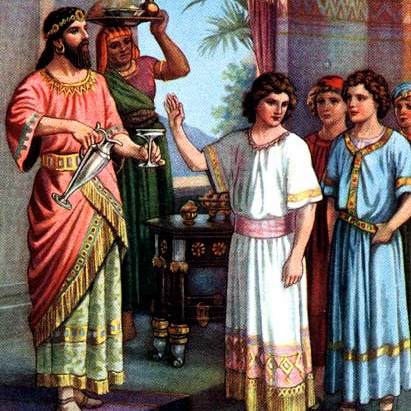
[00:09:34] He is lifted up for us on the cross to show us exactly the upside down kingdom, the exact opposite of all the kingdoms that we've talked about through Daniel. In Daniel, we saw this procession of, like, these powerful kings and these powerful kingdoms that came one after another. But in Daniel's vision, he saw these as.
[00:09:55] As beasts, beastly kingdoms clawing at each other. What made them powerful and epic and awesome were that they were just the biggest beasts and the most incredible beasts in comparison to that. The kingdom of God.
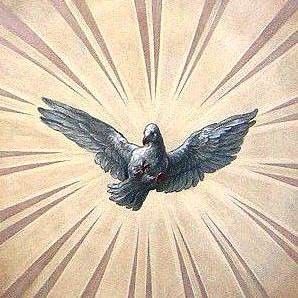
[00:10:11] You have the Father on the throne in white, the exact opposite of beastliness, calling out the Son of Man and giving him all authority on heaven and earth.
[00:10:23] There is an authority to act in the exact opposite to all the other kingdoms that came before him in order to redeem the world.
[00:10:32] Acting differently means that your glory is totally different.
[00:10:36] What it means for you to be exceptional is nothing like what they've always thought it meant to be exceptional. And I'm gonna show you how exceptional that can be here on the cross.
[00:10:49] Jesus said this in ways they wouldn't have understood at the time. In John 3, just as Moses lifted up the snake in the wilderness when the. When the Jews were in the wilderness in the Old Testament, the Son of man must be lifted up, that everyone who believes may have eternal life in him. I will look on this moment here when everything in me says, this is.
[00:11:14] This is embarrassing. This is sad. This is defeat.
[00:11:18] I will look at this and say, this is glorious.
[00:11:23] For God so loved the world that he gave his one and only Son, that whoever believes in this man on the cross, whoever believes in him shall not perish, but have eternal life. For God did not send His Son into the world to condemn the world, but to save the world through him.
[00:11:40] He didn't come to dominate, to assert his authority over the world.
[00:11:46] He came to serve the world, to give his life, to say, I'm nothing.
[00:11:52] I met my glorious when I met my most nothing.
[00:11:59] The crowd here understands this in chapter 12, and they say, no. We understand from Scripture that Messiah is going to live forever.
[00:12:06] How can you say that the Son of Man will die.
[00:12:09] Just who is the Son of Man anyway?
[00:12:12] This is nothing like the Son of Man that we've been expecting to come. This is nothing like the Messiah that we've been expecting to come. The Son of Man. The Messiah is going to be eternal. It's going to live forever. Okay, that's right, but not the way you think.
[00:12:25] You're expecting an eternal kingdom that is so powerful that it's going to dominate and assert and create. Cripple. It's going to assert justice over the top of Rome. It's going to defeat Rome. Cripple, Rome. It's going to. It's going to be the most powerful beast in the jungle.
[00:12:49] Jesus says, my light's going to shine just a little bit longer.
[00:12:56] Walk in this light while you can so the darkness will not overtake you.
[00:13:01] Those who walk in the darkness can't see where they're going.
[00:13:04] Put your trust in this light while there's still time.
[00:13:09] Then you'll become children of the light.
[00:13:13] All of the powerful, exceptional, like, heroic, great, cool people that you're thinking of.
[00:13:23] All of the messiahs that you've been imagining.
[00:13:29] That's not light. That's darkness. That's just more dark than the previous dark.
[00:13:38] What I am is the exact opposite of everything you've expected before.
[00:13:43] I want you to pay attention for this little bit that you've got me here because you're going to be expected to follow me and to act like me.
[00:13:54] You're going to have to undo everything that you thought you knew about what it meant to be impressive.
[00:14:02] Your glory is not going to be what the world thinks is glorious.
[00:14:08] He says all that in the triumphal entry. These people like hosanna. Here comes the king, like, so excited. Palm branches and like, pumped, right? He says this and it says, but despite all the miraculous signs that he's done, most of the people still didn't believe him.
[00:14:31] Almost nobody that got to see Jesus in the flesh believed him.
[00:14:39] No, they couldn't. They couldn't get it through their head that this was glorious.
[00:14:45] That what he was saying about the Messiah, what salvation actually, what it would actually take to rescue the world from sin and death, was a messiah that would die to himself, make himself nothing.
[00:14:59] And to say, all of my followers will also make themselves. They will become servants to the world. When you are last, that's when you're first dead last. Like when there is nothing about your personal glory that defines you.
[00:15:15] That's when you're getting it right. And they said, that doesn't make any. I just.
[00:15:20] I don't know if they were like, jesus, you're wrong, or if their brain. They just couldn't. It was so far outside of anything that they could imagine that they just couldn't.
[00:15:30] Couldn't register. Like, they just couldn't believe what he was saying about what it meant to be glorious, what it meant to be the Messiah.
[00:15:43] Today we have communion.
[00:15:46] The point of communion is to receive Christ.
[00:15:50] The imagery that we have here, the bread and the juice represent the body and the blood of Christ.
[00:15:58] And we are receiving him. We are receiving who he says he is wearing. When we do that, we are accepting him for who he says he is. We're not making up a different Jesus and receiving that Jesus into ourselves. We are accepting him for the one who said, my glory is in making myself nothing.
[00:16:24] And those who are in the light are those who have made themselves nothing.
[00:16:30] That's what it means to receive him.
[00:16:34] In Paul talking to the Corinthians, the Corinthians had a really hard time with this.
[00:16:40] And when he's describing communion, when he's describing. He says, look, anyone who eats this bread or drinks this cup of the Lord unworthily is guilty of sinning against the body and blood of the Lord.
[00:16:53] That is why you should examine yourself before eating the bread and drinking the cup.
[00:16:59] Do I receive Christ as he is?
[00:17:04] Am I prepared to believe that I am called? I am a citizen of a kingdom that is nothing like the other kingdoms that have come before it.
[00:17:18] I am like a child in that regard, in that I have to rethink everything that I've thought about what it means to be important.
[00:17:26] I'm constantly having to reform my spirit in light of this different kingdom.
[00:17:34] Nothing like any other kingdom.
[00:17:43] I want to say. Here we talk about eating in an unworthy manner.
[00:17:49] It's very important that you don't take communion if you're not ready for it.
[00:17:53] But I want to be very clear about what it means to be ready to receive this.
[00:17:59] A king whose glory is best defined by the cross. I want you to really understand what it means to receive that kind of king Jesus. I think this picture from Matthew chapter nine is one of the most profound moments where we get to see what this Son of Man really is.
[00:18:20] Jesus says, be encouraged, my child. Your sins are forgiven.
[00:18:26] Some of the teachers and religious leaders of the law said to themselves, that's blasphemy. You can't forgive sins. Only God can forgive sins. Who does he think he is. Does he think he's God?
[00:18:37] Jesus knew what he was thinking. He says to them, why do you have such evil thoughts in your hearts?
[00:18:44] It is easy to say your sins are forgiven. Is it easier to say your sins are forgiven? Or stand up and walk?
[00:18:50] So I will prove to you that the Son of Man has the authority on earth to forgive sins.
[00:18:55] Then Jesus turned to the paralytic man and said, stand up. Pick up your mat and go home.
[00:19:01] And he did.
[00:19:03] And the point of that, what was so powerful about that wasn't that he told this guy to get up and go home. He told him, your sins are forgiven.
[00:19:16] To be a person who is prepared to receive this doesn't mean that you're great.
[00:19:21] It means that you believe him when he says, your sins are forgiven.
[00:19:27] It is just as wrong to. It is just as unfaithful not to believe that your sins are forgiven. If.
[00:19:35] If you say if in your heart, you are like Father God. I know that my spirit has been formed in a world that is lying to me.
[00:19:46] Sin Satan is the great author of lies, and I live in a world of lies. All that I thought I knew about what it meant to be great, I recognize that as a lie because it's different than the way that you were great.
[00:19:58] I want to be great the way you're great.
[00:20:02] Literally, my entire makeup is oriented around a false view of myself, a false view of my neighbors. I am prone to sin against you. I'm prone to sin against myself. I'm prone to sin against the Father and God. I need you to be lifted up and to show me again and again and again every morning what it looks like to be really human.
[00:20:26] And I need you to forgive me for my failings because I am constantly getting it wrong.
[00:20:35] You are my Savior, and I need a Savior.
[00:20:41] When we approach the table like that, we are approaching Christ as our Savior in humility, not because we are sinless, but because we are forgiven of our sins and we believe him. We've received him already. We've received that Savior when we agree that we're forgiven. So when you come to this table and you receive this communion, you are receiving this Messiah who looked at all the palm branches and all the people shouting for him. And he says, this isn't my moment.
[00:21:23] My glorious moment is when I am nothing. And you, when you make yourself nothing, acknowledge I am a sinner and I am only saved by grace. I need you, my Savior.
[00:21:37] Now we're receiving Christ as he is.
[00:21:41] That's when we were with him on the cross.
[00:21:48] Let's pray.
[00:21:52] Father God, this morning as we take in communion with you, Lord, as we receive this bread, as we receive this juice, as we ingest it slowly, God, I pray that our hearts are not focused on the tastes or the sensation of the bread and the juice, but in the taste and the sensation of what it means to be fully forgiven by an otherworldly messiah. One who is nothing like any other saviors who've ever come before.
[00:22:24] God. You are a savior unlike any other. Only you can forgive sins. And God, we need your forgiveness of sins. We receive your forgiveness.
[00:22:36] We accept your death on the cross and we take it on ourselves. God, we receive you this morning.
[00:22:46] In Jesus name we pray.
[00:22:48] Amen.
[00:22:52] You don't have to come up.
[00:22:54] Whenever you'd like to, you can come and receive bread. It's a large piece and it's a lot of juice. And the point is, eat it slowly. Think about what it means to receive this Savior into yourself.